Here's the blog post:
What Is Cycle Syncing, Exactly?
If you've been anywhere near wellness TikTok or Instagram lately, you've probably seen someone explaining how they plan their entire life around their menstrual cycle. Meal prep on day 5. HIIT on day 12. Rest days during the luteal phase. Journaling when PMS hits.
That's cycle syncing in a nutshell. The idea is simple: instead of forcing yourself to be the same every day, you adjust your habits, workouts, nutrition, and social calendar to match the four phases of your menstrual cycle. Cycle syncing explained in one sentence? Work with your body instead of against it.
But is it actually backed by science, or is it just another wellness trend with a short shelf life? Let's break it down.
The Four Phases (A Quick Refresher)
If you're fuzzy on the phases, here's a simple overview. If you want a deeper dive, our guide on understanding your cycle phases covers each stage in detail.
Menstrual phase (days 1 to 5ish). Energy is typically at its lowest. Your body is doing real work, and rest is not laziness. It's recovery. Follicular phase (days 6 to 13ish). Estrogen starts rising, and with it, your energy, creativity, and motivation. This is when many people feel most "like themselves." Ovulatory phase (days 14 to 16ish). Peak energy. Communication skills tend to sharpen. You might feel more social and confident. Luteal phase (days 17 to 28ish). Progesterone rises, energy gradually dips, and you may crave comfort foods or feel more introspective. This is where PMS symptoms can show up.These windows vary from person to person, which is exactly why tracking your own patterns matters more than following a generic chart.
So, Is Cycle Syncing Legit?
Here's the honest answer: it's a mix.
There is solid science behind hormonal fluctuations affecting energy, mood, appetite, and even cognitive function throughout the cycle. That part is well-documented. Estrogen and progesterone don't just manage reproduction. They influence sleep, metabolism, inflammation, and neurotransmitter activity.
What's less proven is the specific "do this workout on day 12, eat this food on day 20" framework that some influencers promote. Most of the research supports general patterns, not rigid daily protocols.
The takeaway? The principle behind cycle syncing is helpful. The overly prescriptive versions floating around online? Take those with a grain of salt.
What Actually Works (Practical Tips)
You don't need a complicated system to benefit from cycle awareness. Here are some realistic ways to apply it.
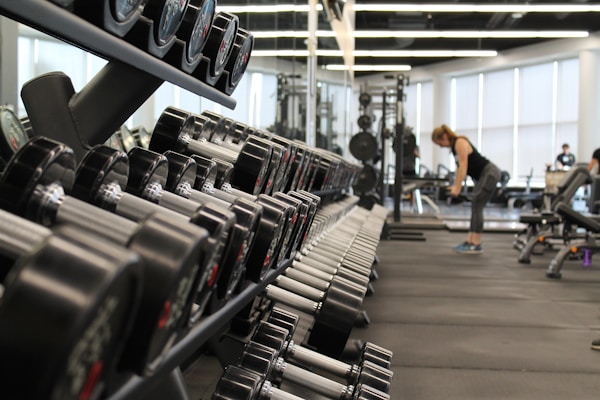
Track before you tweak. Before rearranging your life, spend two to three cycles simply logging how you feel. Note your energy, mood, sleep quality, and cravings. Over time, you'll start seeing your own patterns. Apps like sCycle make this easy without requiring an account or sending your data anywhere, which matters when you're logging something this personal. Shift your workouts, not your whole schedule. If you notice you consistently feel strong during your follicular phase, that's a great window for heavier lifts or more intense training. During your luteal phase, swapping to yoga or long walks isn't "giving up." It's strategic. You might also find it useful to track those workouts alongside your cycle to spot the connection. Plan social energy around ovulation. Have a big presentation, a networking event, or a hard conversation coming up? If you have the flexibility, scheduling it during your ovulatory phase can feel like playing on easy mode. You may feel sharper and more articulate naturally. Prep for the luteal dip. If you know week four tends to bring lower motivation, set yourself up in advance. Batch-cook meals during a high-energy week. Pre-write your grocery list. Simplify your to-do list down to just the essentials so you're not staring at 30 tasks when your brain wants to do zero. Use the menstrual phase for reflection, not productivity guilt. This is a great time to journal, review your month, or simply rest without feeling like you're falling behind. If you deal with mood shifts during this phase, even a few minutes of simple breathing exercises can make a noticeable difference.The Privacy Factor
Here's something worth mentioning. Cycle syncing means logging deeply personal data: your period dates, symptoms, moods, energy patterns, maybe even intimacy details. That information deserves protection.
After the wave of health data privacy concerns in recent years, more people are asking where their cycle data actually goes. Many popular period trackers require accounts, sync to the cloud, or share anonymized data with third parties. "Anonymized" doesn't always mean what you think it means.
If you're going to track your cycle, and you should, choose a tool that keeps your data on your device. Period. sCycle was built with exactly this in mind: no account, no cloud sync, no data collection. Your cycle data stays yours.
What Cycle Syncing Won't Fix
Let's be real for a second. Cycle syncing is not a cure-all.
It won't fix a toxic work environment. It won't replace medical treatment for conditions like endometriosis or PCOS. And it's not meant to become another source of pressure, where you feel guilty for doing HIIT on a "rest day" or eating carbs when some chart says you shouldn't.
The best version of cycle syncing is flexible and forgiving. It's a lens for understanding yourself better, not a rulebook. If tracking your cycle phases and what they mean for your mood helps you feel more in control, that's a win. If it starts feeling like another obligation, scale it back.
A Simple Way to Start
If you're curious but overwhelmed, here's a three-step starting point:
1. Track for two full cycles before changing anything. Just observe and log. 2. Pick one area to adjust. Exercise timing is the easiest entry point. 3. Review and refine. After a couple of months, look at what patterns emerged and what shifts actually felt good.
That's it. No need for color-coded spreadsheets or a 47-step morning routine that changes every week.
The Bottom Line
Cycle syncing isn't magic, and it isn't nonsense. It's somewhere in between. The core idea, that your body has a rhythm and you can work with it, is genuinely useful. The hyper-specific, one-size-fits-all protocols? Less so.
The real power is in knowing your own patterns. When you track consistently and pay attention, you stop being surprised by the weeks where everything feels harder. You plan around your energy instead of fighting it.
The goal isn't to optimize every day. It's to stop wondering why some weeks feel effortless and others feel impossible.
Start small. Stay curious. And whatever you do, keep your data somewhere safe.
Your cycle. Your patterns. Your body's rhythm, respected.