What PMS Actually Feels Like (And Why It's Different for Everyone)
You're two weeks out from your period and suddenly everything feels off. Your jeans fit differently, your patience is paper-thin, and you could eat an entire pizza without blinking. Sound familiar?
PMS, or premenstrual syndrome, affects up to 75% of menstruating people in some form. But here's the thing most guides won't tell you: your experience of PMS is uniquely yours. What shows up for your best friend might be completely different from what shows up for you.
This guide breaks down the most common PMS symptoms, explains why they happen, and gives you practical ways to manage them. No vague advice, no scare tactics. Just real information you can actually use.
The Most Common Physical PMS Symptoms
Let's start with what's happening in your body. Physical PMS symptoms typically show up 7 to 14 days before your period and ease up once bleeding begins.
Bloating and water retention are probably the most universally complained-about symptoms. Your hormones cause your body to hold onto more water than usual, which can make your stomach feel puffy and your rings feel tight. This is completely normal and temporary. Breast tenderness ranges from mild sensitivity to genuine pain. Fluctuating estrogen and progesterone levels cause breast tissue to swell. If you notice this regularly, a supportive bra during that window can make a surprising difference. Headaches and fatigue tend to sneak up on you. One day you're fine, the next you feel like you've been hit by a truck. The drop in estrogen right before your period is often the culprit. If you notice your energy dipping at the same time each cycle, tracking your symptoms can help you plan ahead instead of being caught off guard.Other physical symptoms include cramps, lower back pain, joint or muscle aches, digestive changes, and skin breakouts. The list is long because hormones touch nearly every system in your body.
The Emotional Side of PMS
This is the part that often gets dismissed or minimized. But the emotional symptoms of PMS are just as real and valid as the physical ones.
Irritability is one of the top complaints. Small things that normally wouldn't bother you suddenly feel unbearable. Your coworker chewing loudly? Rage-inducing. Your partner asking what's for dinner? Feels like a personal attack. This isn't you being "dramatic." It's a measurable shift in brain chemistry. Mood swings can feel like an emotional rollercoaster you didn't sign up for. You might tear up at a dog food commercial, then feel perfectly fine ten minutes later. Progesterone and its breakdown products interact with the same brain receptors that anti-anxiety medications target, so it makes sense that fluctuations would affect your mood. Anxiety and feeling overwhelmed often ramp up before your period too. If you already deal with anxiety, you might notice it gets significantly worse during your luteal phase. Tracking your mood alongside your cycle can reveal patterns you never noticed before, and that awareness alone can be incredibly reassuring.Why Your PMS Symptoms Change Over Time
Here's something that catches a lot of people off guard. The PMS symptoms you had at 20 might be completely different from the ones you experience at 35.
Your hormonal profile shifts throughout your life. Stress levels, sleep quality, diet, exercise habits, and even major life events like pregnancy or stopping birth control can all change how PMS shows up for you. This is why a symptom you've never had before can suddenly appear, and why something that used to bother you might fade away.
This is also why keeping a long-term record matters more than just tracking one or two cycles. Patterns become clearer over months, not days.
Practical Ways to Manage PMS Symptoms
You don't have to just "push through it." There are real, evidence-based strategies that can help.
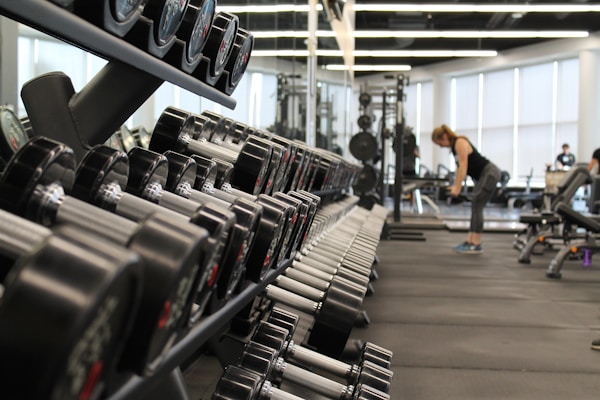
Move your body, even when you don't want to. Exercise releases endorphins, reduces bloating, and can improve mood. You don't need an intense gym session. A 20-minute walk or some gentle stretching counts. If you already have a fitness routine, consider adjusting the intensity during your premenstrual window instead of skipping it entirely. Watch your salt and sugar intake. Salt increases water retention and makes bloating worse. Sugar can cause energy crashes that amplify fatigue and irritability. This doesn't mean you can't have that chocolate. Just be intentional about it. Prioritize sleep. Your body needs more rest during the luteal phase. If you can, aim for an extra 30 minutes of sleep in the week before your period. A consistent evening routine can help you wind down when your brain feels wired. Try breathing exercises for acute symptoms. When cramps hit or anxiety spikes, simple breathing techniques can activate your parasympathetic nervous system and provide real relief within minutes. Reduce caffeine in your premenstrual window. Caffeine can worsen breast tenderness, anxiety, and sleep disruption. You don't have to quit entirely, but cutting back during that sensitive week can help more than you'd expect.When to Track and What to Log
The single most useful thing you can do for understanding your PMS is to track your symptoms consistently. Not in a complicated spreadsheet. Just a quick daily note about how you're feeling.
Start simple. Log your energy level, mood, and any physical symptoms that stand out. After two or three cycles, you'll start seeing your personal pattern emerge. Maybe you always get headaches on day 22. Maybe your anxiety peaks five days before your period, not two.
This kind of self-knowledge is powerful. It turns "why do I feel terrible?" into "ah, this is my day 24 headache, it'll pass by tomorrow." That shift from confusion to understanding makes a real difference.
If privacy matters to you when tracking something this personal, sCycle keeps everything on your device with no account, no data sharing, and no cloud unless you turn on Sync. For something as intimate as your cycle, that peace of mind matters.
When PMS Might Be Something More
Most PMS is manageable. But about 3-8% of menstruating people experience PMDD, or premenstrual dysphoric disorder, which is a more severe form that significantly interferes with daily life.
Signs that your symptoms might be more than typical PMS include severe depression or hopelessness before your period, intense anger or conflict with people around you, feeling completely out of control, and symptoms that make it hard to function at work or in relationships.
If this sounds like you, please talk to a healthcare provider. PMDD is a recognized medical condition with effective treatments. You're not overreacting, and you don't have to suffer through it.Bringing a few months of tracked cycle data to your appointment gives your doctor something concrete to work with, which can speed up getting the right diagnosis and treatment.
The Bottom Line
PMS is not a weakness, a character flaw, or something you need to apologize for. It's your body responding to real hormonal shifts, and understanding those shifts puts you back in control.
Start paying attention. Notice what shows up for you, when it shows up, and what helps. Over time, you'll build a personal playbook that takes PMS from something that happens to you into something you know how to navigate.
Your body. Your patterns. Your power.